Sliding Doors: The Best Space-Efficient Alternative for Your Residence
Sliding doors have achieved widespread acceptance as a functional strategy for making the most of available space in current residences. Their ability to function smoothly without taking up room makes them suitable for small rooms. Moreover, they can boost illumination and foster an open ambiance. Conversely, determining the right aesthetic and verifying correct placement can be tough. Reviewing the multiple benefits and options accessible may present useful knowledge that could dramatically enhance your room.

The Notable Advantages of Sliding Doors in Tight Spaces
In compact living spaces, sliding doors provide a practical answer to space constraints. Unlike conventional swing doors, which require clearance for opening outward, sliding doors glide along a track, reducing the space needed for access. This feature is especially advantageous in small rooms where every square foot counts.
Furthermore, sliding doors can be customized to match different aesthetic preferences, enhancing the aesthetic appeal of a space while maximizing functionality. They can serve as room dividers, creating distinct areas without compromising openness.
Furthermore, pocket doors often are available in various options, such as glass, which can visually expand a room by forming a uninterrupted connection with outdoor spaces. This versatility makes them a suitable choice for urban apartments or tiny homes, where functionality and style are essential. Overall, sliding doors effectively combine practicality with design, making them a valuable addition to any small living area.
Patio Glass Doors Enhance Light and Flow in Your Home
Sliding doors play a important part in enhancing sunlight within a area, allowing sunlight to pour in without blockage. Their construction enables a seamless passage between rooms, creating an open and unobstructed atmosphere. This blend improves both the aesthetic value and functionality of interior environments.
Natural Light Optimization
How can the design of glass sliding doors improve the movement of sunlight within a room? Glass sliding doors, often crafted from expansive glass panels, allow natural light to enter deeper into interiors, producing luminous and inviting environments. Unlike conventional doors, their construction minimizes barriers, enabling a seamless connection between indoor and outdoor areas. This openness not only improves visibility but also renders spaces appear larger and more airy. Additionally, strategically placed sliding doors can optimize light distribution, reducing the need for artificial lighting during the day. By brightening rooms with daylight, these doors support energy efficiency and encourage well-being. The visual beauty of sliding doors further enhances this purpose, making them an attractive choice for enhancing light in modern homes.
Seamless Space Transition
What drives sliding door systems an ideal choice for enhancing the movement across areas? Their construction permits for barrier-free passages, creating a smooth transition between rooms. Unlike conventional door styles, which need space to swing open, sliding door units travel along tracks, making them ideal for smaller rooms. This functionality promotes a sense of openness and continuity within a home.
Furthermore, sliding doors often showcase large glass panels that invite natural matching information light, further enhancing the visual flow between spaces. This brightness establishes an light-filled environment, making even smaller rooms feel more spacious. By merging indoor and outdoor areas, they foster a harmonious relationship with nature. Overall, glass doors are a practical solution for increasing space and light, substantially enhancing overall home dynamics.
What's the Best Way to Pick Your Sliding Door Design?
Determining the best glass door choice can improve significantly both the functionality and appeal of a area. When determining a sliding door, one must think about the overall design theme of the home. For up-to-date interiors, clean, minimalist designs with transparent sections can create an spacious, bright sense. In contrast, traditional settings may benefit from wooden sliding doors, which provide warmth, character.
Functionality is another vital aspect; choices vary between pocket doors, which free up space, to bi-fold doors, excellent for wider openings. The material also has importance; glass allows for natural light, while solid wood ensures privacy and insulation.
Additionally, pigment and surface should blend with existing decor to create a balanced look. Finally, the door's mechanisms should work with the chosen style, reinforcing both usability and decorative impact. By weighing these factors carefully, homeowners can select a sliding door that meets their needs while improving their living environment.
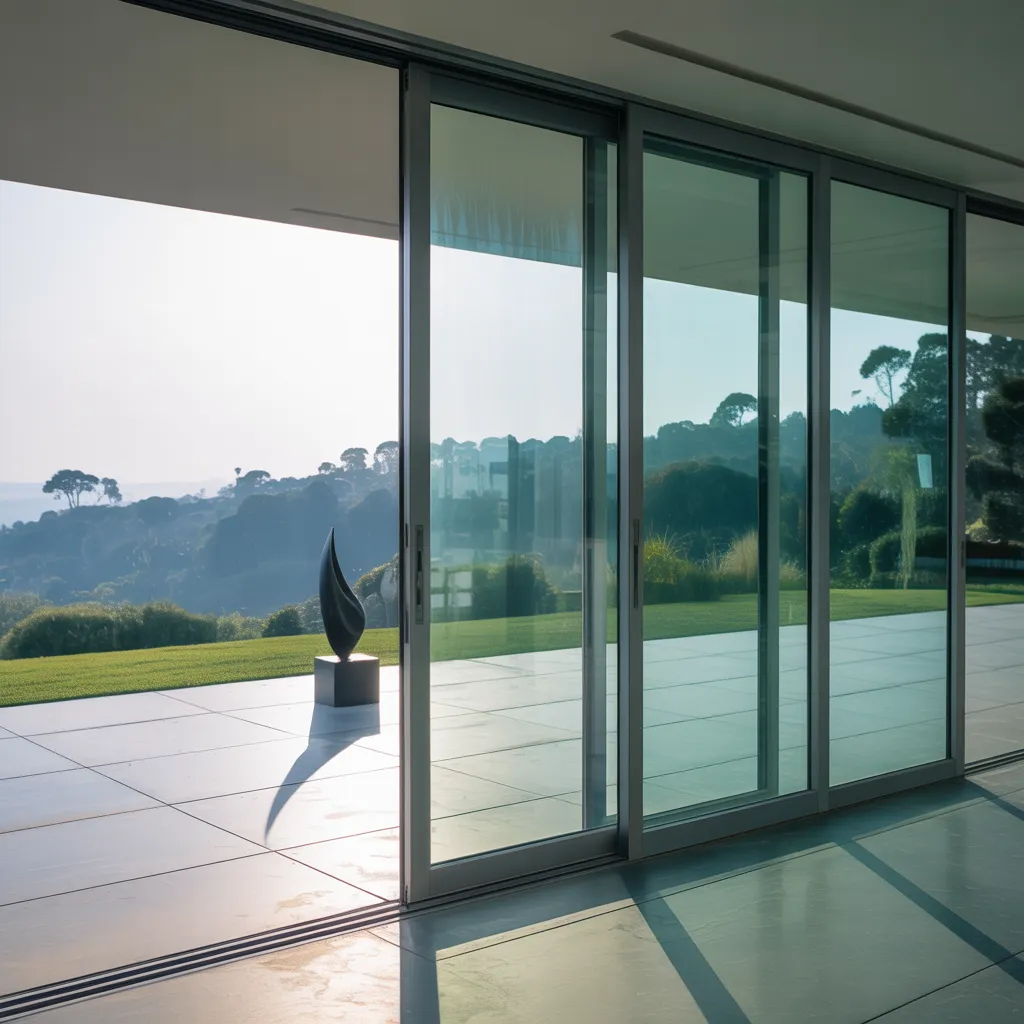
Key Installation Pointers for Sliding Doors
Selecting the ideal sliding door choice lays the groundwork for a successful installation experience. In advance of beginning, it is critical to assess the opening area accurately, making sure that the selected door fits adequately within the specified location. A level floor is essential; any surface variations must be remedied to prevent operational difficulties. Correctly assembling the rail assembly is vital, as it bears the door's weight and function. Following the manufacturer's guidelines for installation is essential, as various types may have unique specifications.
Furthermore, securing the door frame firmly can enhance structural integrity and boost functionality. Once in place, a final check of the door's operation guarantees seamless functionality. If necessary, modifications can be made to the rollers or track to achieve ideal alignment. Finally, closing openings with weatherstripping not only offers insulation but also increases fuel economy, making sure that the sliding door functions as intended effectively.
Maintaining Your Sliding Doors: Care Tips
Maintaining sliding doors is crucial for their longevity and optimal performance. A regular cleaning schedule, along with inspecting tracks and rollers, ensures smooth operation. Additionally, correct lubricating methods can reduce deterioration and enhance functionality.
Establish a steady cleaning plan
Establishing a consistent cleaning schedule is essential for ensuring the longevity and performance of sliding doors. Dust, dirt, and debris can accumulate on the surface and within the tracks, potentially obstructing smooth operation. Ideally, sliding doors should be cleaned at least once a month. This routine should include wiping down the glass panels with a proper glass cleaner, which helps maintain transparency and aesthetic appeal. Additionally, the frames should be cleaned to prevent buildup. Using a vacuum with a brush attachment can efficiently remove debris from the tracks. Regular maintenance not only enhances the appearance of sliding doors but also prevents long-term damage, guaranteeing that they continue to operate seamlessly throughout the years.
Reviewing Components And Mechanisms
Inspecting rails and wheels is an essential part in the upkeep of sliding doors. Regular inspections help identify damage, ensuring seamless operation and prolonging the lifespan of the doors. Homeowners should check for debris, dirt, or obstructions that may block movement. Additionally, examining the rollers for faults or misalignment is vital, as these issues can lead to operational difficulties. It is important to watch for signs of rust or corrosion, which can compromise functionality. Ensuring that tracks are even and free from flaws is fundamental for proper alignment. By carrying out these inspections regularly, homeowners can maintain the efficiency of their sliding doors and avoid costly repairs, ensuring a smooth experience in their living spaces.
Lubrication Strategies And Advice
Once the tracks and rollers are confirmed to be in good condition, correct lubrication is essential for the efficient operation of sliding doors. Regular lubricant application stops wear and tear, providing smooth functionality. A silicone-based spray is preferred, as it fends off dirt and dust while reducing friction. Users should apply lubricant directly to the tracks and rollers, wiping away any surplus to keep from attracting debris. It is best to lubricate sliding doors every six months, or more often in high-traffic areas. Also, checking for rust or corrosion on metal parts is important; if detected, a rust remover should be applied before re-lubrication. Routine maintenance both boosts performance and prolongs the lifespan of sliding doors.
Imaginative Creative Approaches Featuring Sliding Doors
Though sliding doors are often considered practical features, they can also function as striking design features in any environment. Designers more and more include them in innovative ways, improving both aesthetics and utility. For example, frosted glass sliding doors can provide a fresh, airy ambiance while ensuring privacy. In compact homes, mirrored surfaces on sliding doors can make the space seem larger by reflecting light and adding depth.
Another creative method is incorporating sliding barn doors, which can infuse rustic charm into contemporary interiors. These doors often feature unique hardware, drawing attention and serving as conversation starters. Additionally, homeowners can personalize sliding doors with bold colors or intricate patterns, turning them focal points in open-plan designs.
Installing built-in shelving or decorative frames beside sliding doors can further enhance their decorative charm, smoothly integrating functionality with artistic expression. Ultimately, sliding doors offer boundless options for artistic expression.
Do Sliding Doors Offer Good Value for the Cost?
Do sliding doors represent a worthwhile investment for homeowners? The answer is largely contingent on individual needs and particular situations. Sliding doors can improve spatial optimization, particularly in smaller homes. Their structure allows for unrestricted movement and a seamless shift between interior and exterior zones, which can be notably attractive in warmer climates.
Moreover, glass doors can increase natural light, forming a more brilliant living environment. Still, the first expense can be steep, often surpassing traditional doors in price due to their manufacturing and installation procedures. Homeowners must also consider long-term maintenance; door tracks may require regular tidying and sporadic fixes.
Ultimately, the benefit of sliding doors is subjective. For those stressing design, room-efficient options, and improved access, the investment may prove worthwhile. Conversely, homeowners with less consideration of these aspects might find traditional doors more suitable for their needs.
Standard Frequently Asked Questions
Gliding Doors — Can They Be Implemented in Non-Traditional Spaces?
Yes, sliding doors can be employed in non-traditional locations, such as closets, spatial dividers, or even as separators in open spaces. Their versatility facilitates creative design solutions in various architectural settings.
What Materials Are Best for Sliding Doors?
Wood, glass, and metal stand as the top materials for sliding doors. Wood offers durability and warmth, glass ensures transparency and elegance, while metal provides strength and modern appeal, meeting different design preferences and functional requirements.
What Influence Do Sliding Doors Have on Home Resale Value?
Sliding doors can significantly benefit home financial return by strengthening curb appeal, improving space efficiency, and providing easy access to outdoor areas. Their modern appeal often appeals to purchasers, enhancing market attractiveness in aggressive property markets.
Can Sliding Doors Deliver Energy Efficiency for Today's Living Spaces?
Sliding doors are energy-efficient when installed with double or triple glazing and appropriate seals. The design permits sunlight while decreasing air infiltration, helping achieve lower energy bills in residential properties.
Can I try to set up slide door systems myself?
Yes, sliding doors can be fitted by individuals with basic DIY skills. However, proper sizing, equipment, and close attention to detail are important for a quality result. Reviewing guidelines or consulting professionals may also be valuable.